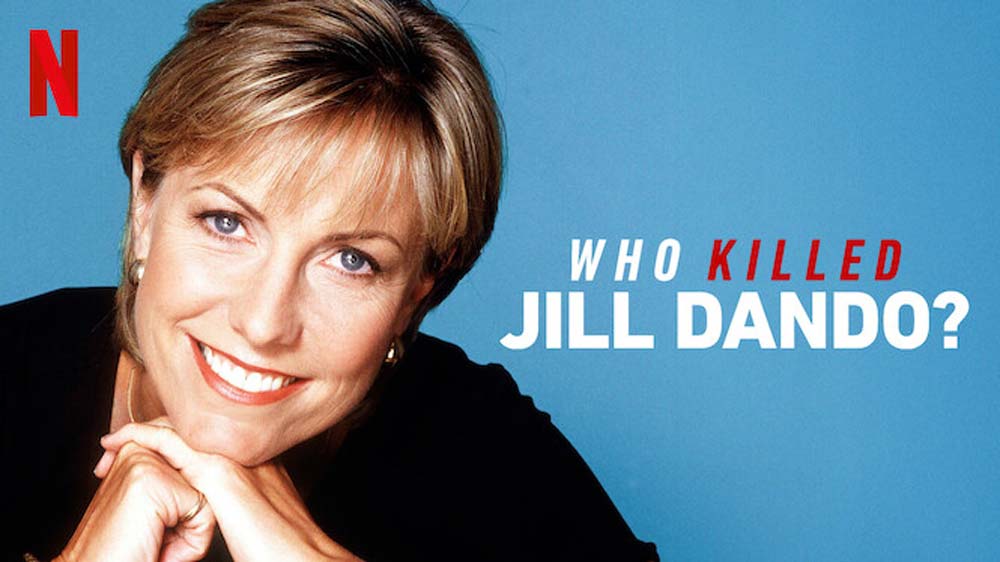
Like a lot of modern day women, consuming true crime content is one of my guilty pleasures. I try to do this mindfully, avoiding any over sensationalized creators, stories, or pieces of media. (Looking at you, Ryan Murphy and Dahmer.) I listen to the Crime Junkie podcast every week, donate to Season of Justice, and sign petitions. The rule that I stick to when it comes to my own true crime consumption is that I want to walk away from a project and feel that I know more about the victim(s) than the perpetrator(s). That being said, I have certainly consumed my fair share of, let’s say, distasteful content. One of the main culprits of this subpar true crime content? Netflix.
Over the past few years, Netflix has become one of the main hubs for both true crime documentaries and docuseries. I love a good documentary (check out my Letterboxd to see some of my documentary picks) and have watched my fair share, ranging from white collar crime to serial killer investigations. However, I and other watchers have noticed a troubling pattern with Netflix and their true crime content. The streamer has a habit of drawing out stories into three, four, sometimes even five 45 minute episodes, devoting time to interviewing conspiracy theorists, indulging in meaningless speculation and often spending more time discussing the accused criminal rather than the victim of the crime.
Here, I’d like to discuss a few Netflix true crime docuseries I’ve watched over the years. For the full list of the true crime content I’ve watched on the streamer, check out my Letterboxd list.
*Spoilers ahead! Only keep reading ahead if you have already seen or aren’t planning to watch the following programs.*
Who Killed Jill Dando? (2023)
Jill Dando is the latest Netflix original that I watched, as I took advantage of the Thanksgiving holiday to check some things off my Netflix watchlist. This is a case that I knew next to nothing about. The series consists of three 45-50-minute episodes. The first half of the first episode looked into Jill herself, a famous television presenter in Great Britain. I was a little shocked at just how famous Jill was – after her death, people said she was their Diana! Jill was murdered on her own doorstep in the spring of 1999 and her case remains unsolved. I thought this series was decently well done. I learned a lot about Jill and her career. Throughout all three episodes, they showed a lot of footage of Jill, never letting you forget about the vibrant life that was violently taken away on a normal spring day in ‘99. That said, nearly the entire third episode was spent on the man who originally spent time in prison for Jill’s murder. It was a lot of back and forth between the police who put the man behind bars and the man himself. I believe this case would have been served better as an hour-and-a-half documentary – the three episodes got cluttered, and the series lost its heart by the end.
Do I recommend Jill Dando? Yes, actually. If, like me, you’ve never heard of this case, give it a watch.

Crime Scene: The Vanishing at the Cecil Hotel (2021)
The Vanishing at the Cecil Hotel dives into the case of Elisa Lam, a young Canadian tourist who was found dead on the roof of the Cecil Hotel in January 2013. The Cecil Hotel, located in Los Angeles, is notorious in the true crime community. The hotel is closely located to Skid Row and is stereotyped as being frequented by houseless people and criminals.
The disappearance of Lam and the discovery of her body have captivated the attention of millions around the world over the years. I knew a little bit about this case before I watched the series. The Crime Junkie podcast released an episode about Lam in 2018, detailing her past struggle with mental illness and the solo trip that she took to California in January of 2013. It’s been confirmed by Lam’s family that she was diagnosed with bipolar disorder and depression and was appropriately medicated by her team of doctors for the illnesses. Unfortunately, Lam had a history of not being consistent with her medication, leading to scary side effects, including hallucinations. In the end, after being missing for several weeks, Lam’s body was found in a water tank on top of the Cecil Hotel. Her death was ruled an accidental drowning, and her toxicology report found that she was undermedicated.
The Vanishing dives into Lam’s case throughout four episodes, mixing her story with background information on the hotel. On a grading scale, I would give this series a C. I have watched this series twice over the years and found it interesting each time. However, each time I’ve watched, I’ve been rubbed the wrong way by the inclusion of “internet sleuths” in the later episodes. The filmmakers chose to include interviews with multiple people who were obsessed with Lam’s case, filming the “sleuths” making their way into the hotel to “investigate.” This inclusion led their filmmakers down a conspiracy pipeline, taking an entire episode to sort it out. I don’t think this was necessary. While I do think it’s important to clear up conspiracy theories in general, the one’s features in this series have already been disproven. Their inclusion can only lead to more viewers potentially latching onto these theories, taking attention away from the facts of the case.
Do I recommend The Vanishing? That depends. If you don’t know about Lam’s case or the history of the Cecil Hotel, I think it’s a decent starting point. If you already know about one or both topics, I say skip. Overall, I believe this series sensationalizes Lam’s story and puts the spotlight on the wrong people to keep viewers interested.

The next time you see Netflix advertise a splashy new true crime docuseries, I highly recommend checking out the case before turning on episode one. Check to see if Netflix secured the blessing of the victim’s family for the series. If you think the series is diving into conspiracy territory, don’t hesitate to skip ahead or turn the program off altogether. Consume true crime responsibly and respectfully. Conduct research and make your own viewing decisions, but do so with the victim and their family at the front of your mind.
 poptalkwithrach